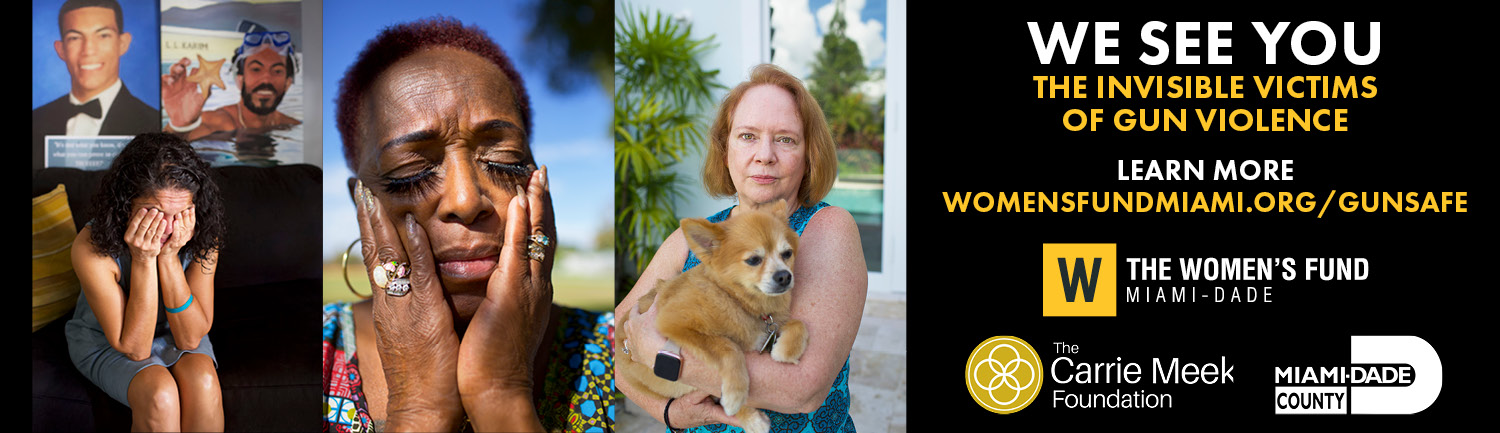
A groundbreaking new report from The Women’s Fund Miami-Dade, The Invisible Victims: A Gendered Focus on Gun Violence in Miami-Dade County, uncovers the alarming and underreported impact of gun violence on women and underserved communities in South Florida. Unlike national reports that provide broad trends, this report reveals how gun violence plays out in Miami-Dade County specifically, highlighting critical gaps in data, disparities in victimization, and shortcomings in public policy. You can find the full report here: womensfundmiami.org/gunsafe. The report was made possible in part through a Supporting Safer Communities Program grant from The Carrie Meek Foundation, funded by Miami-Dade County’s Community Violence Intervention Initiative.
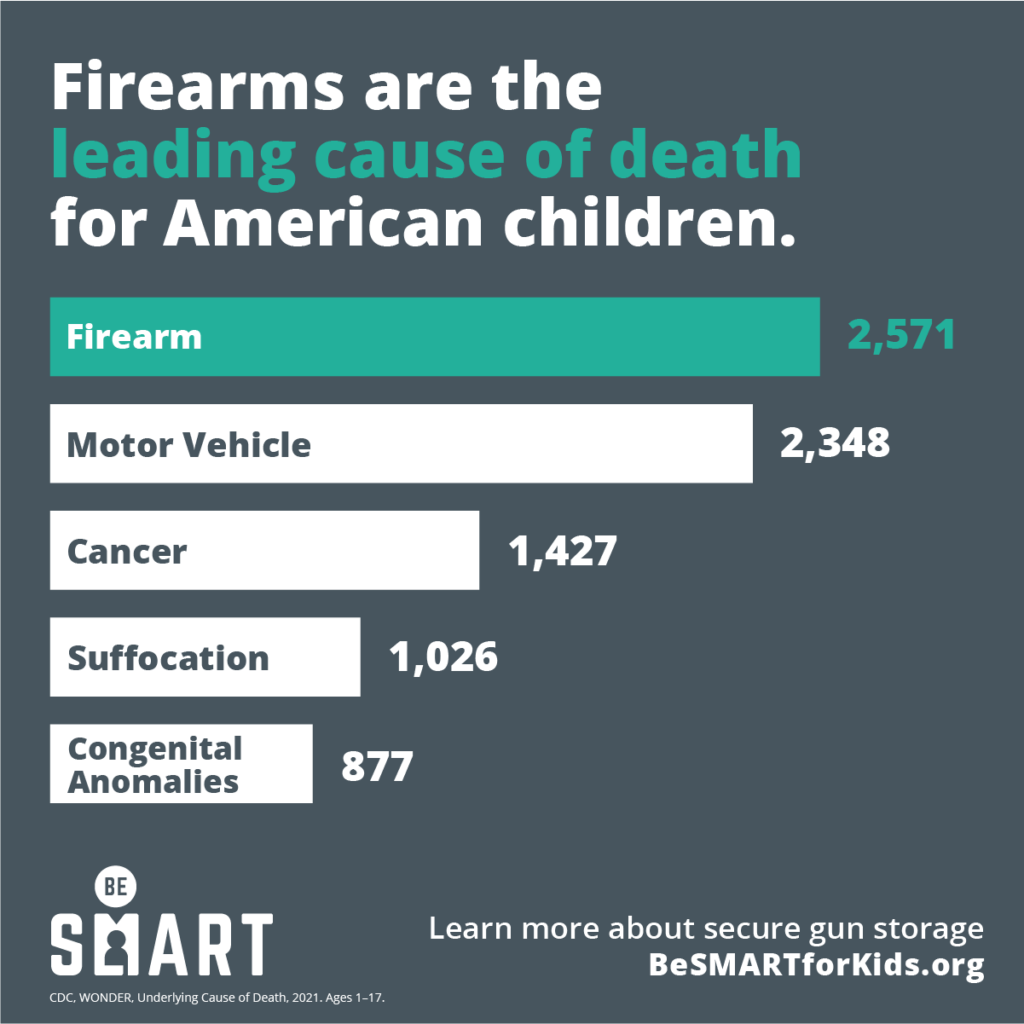
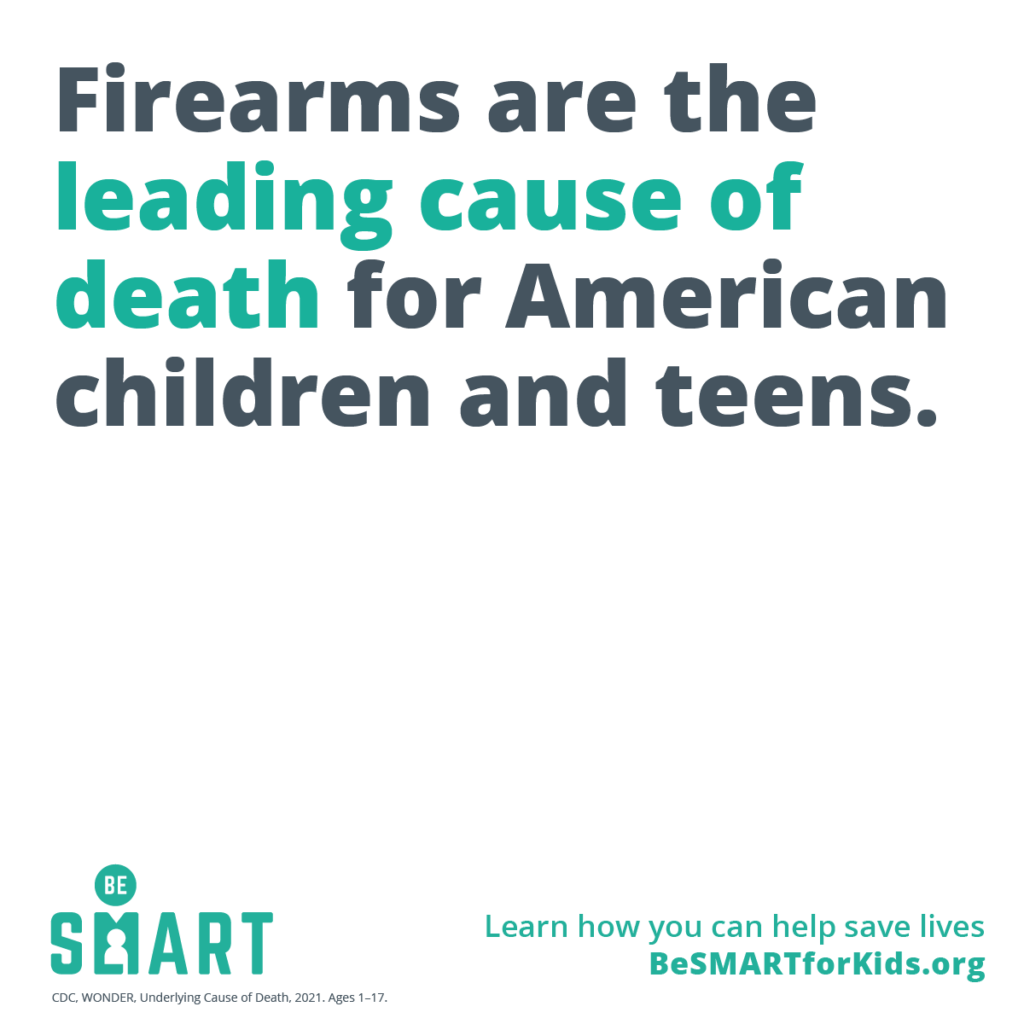
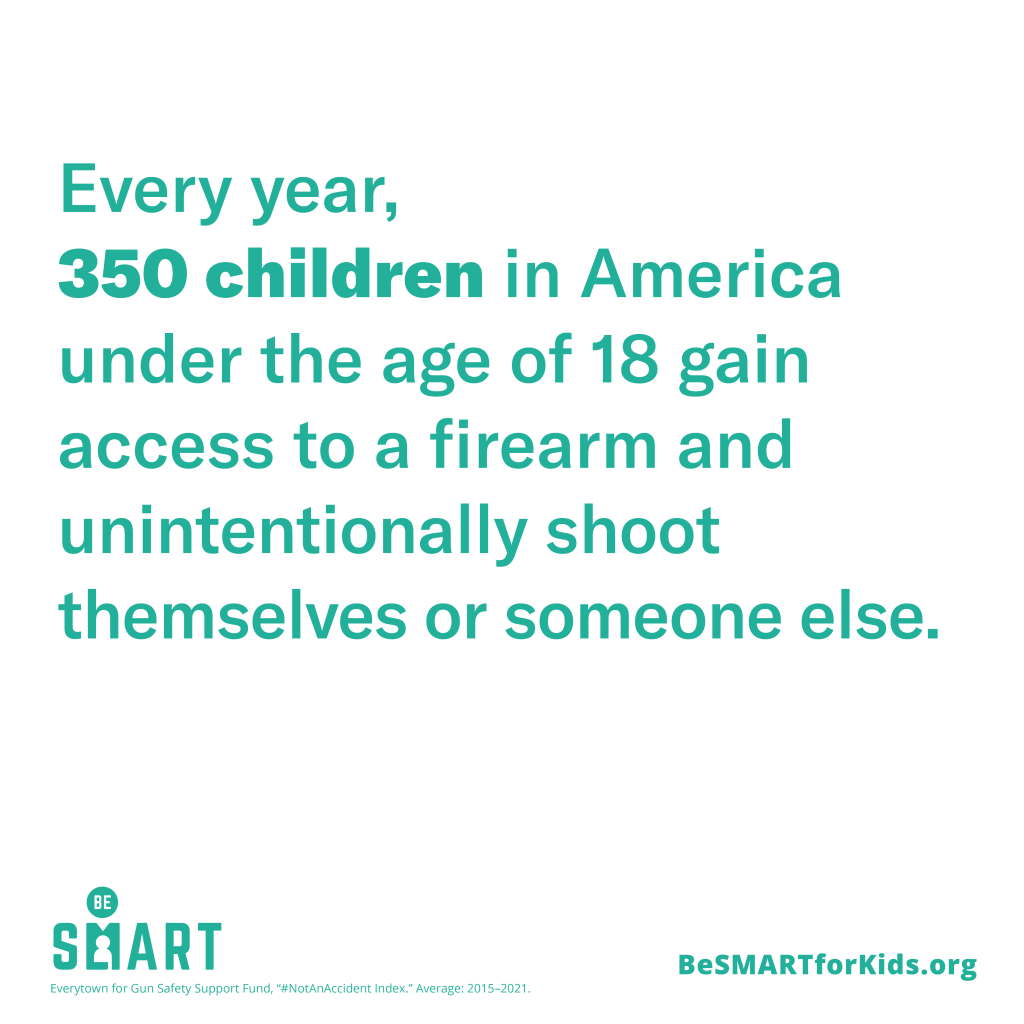
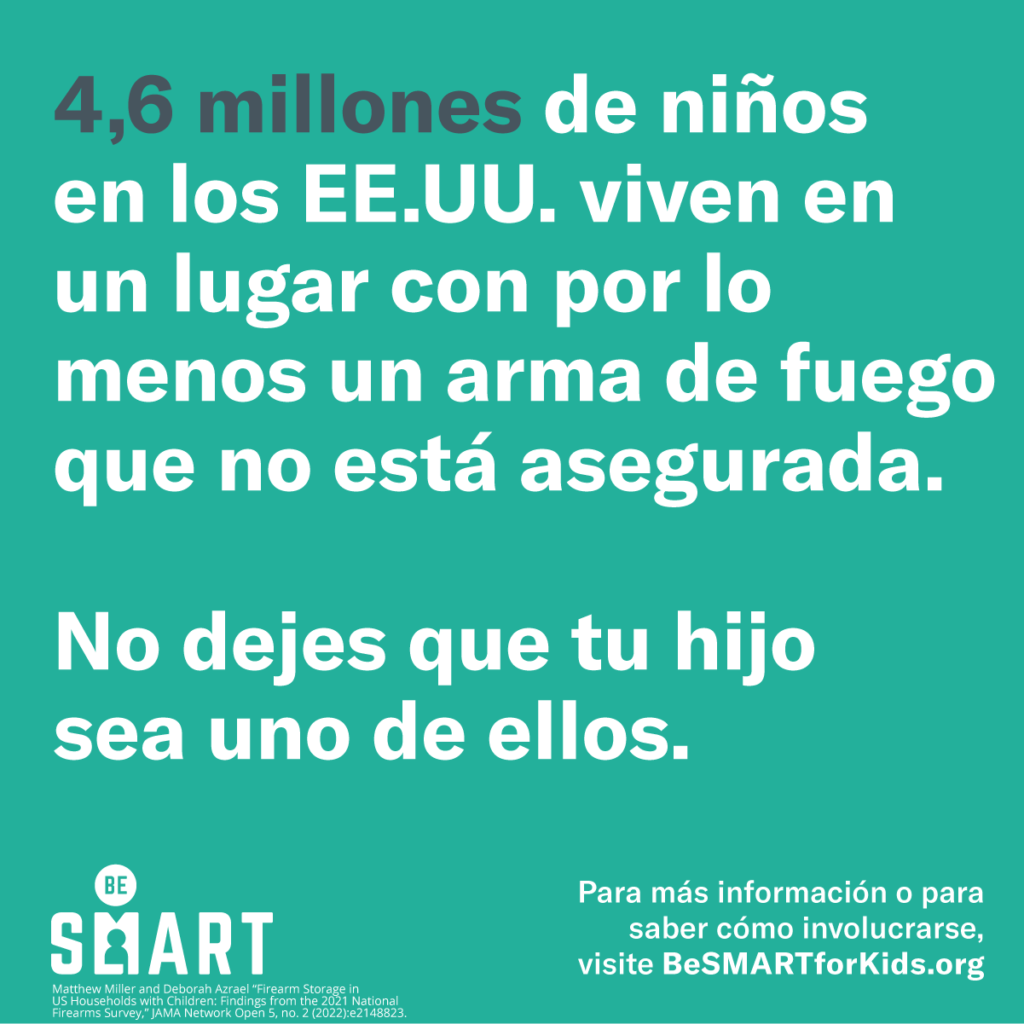
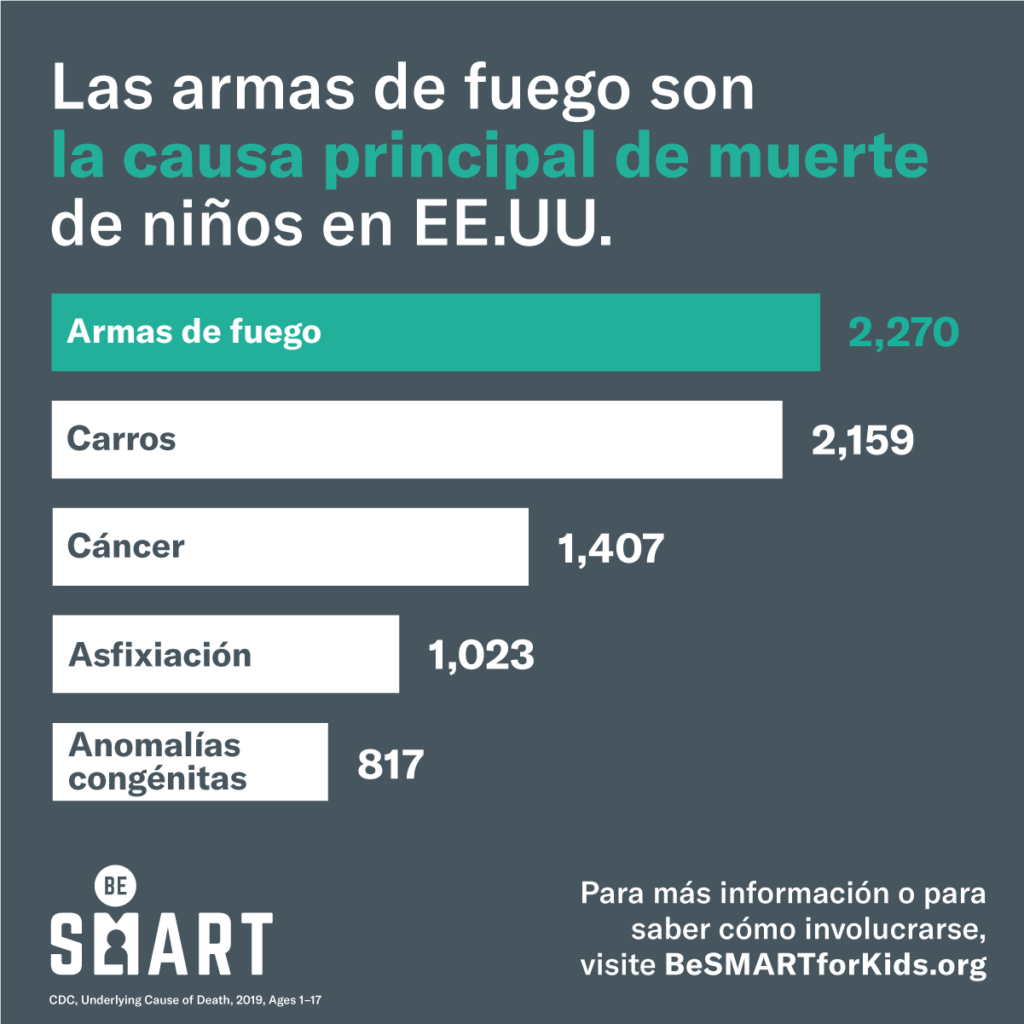
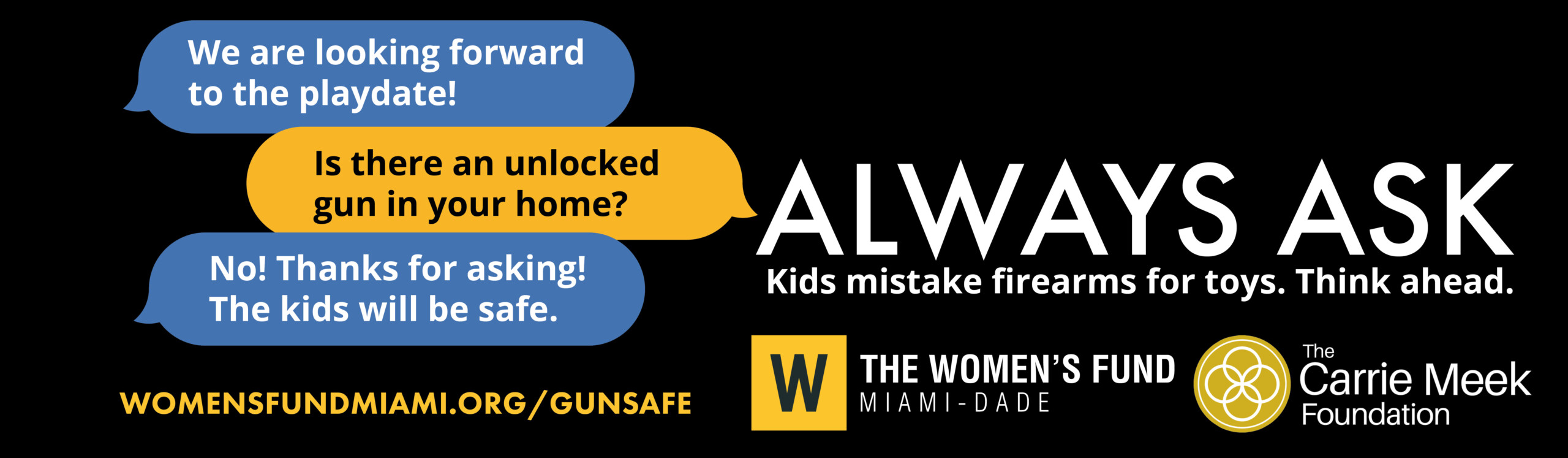
Guns are the leading cause of death for children in the United States as of 2023. Unsecured guns in the home contribute dramatically to this. The Women’s Fund Miami-Dade, with partnership with the Carrie Meek Foundation, has launched a public safety campaign – ALWAYS ASK.
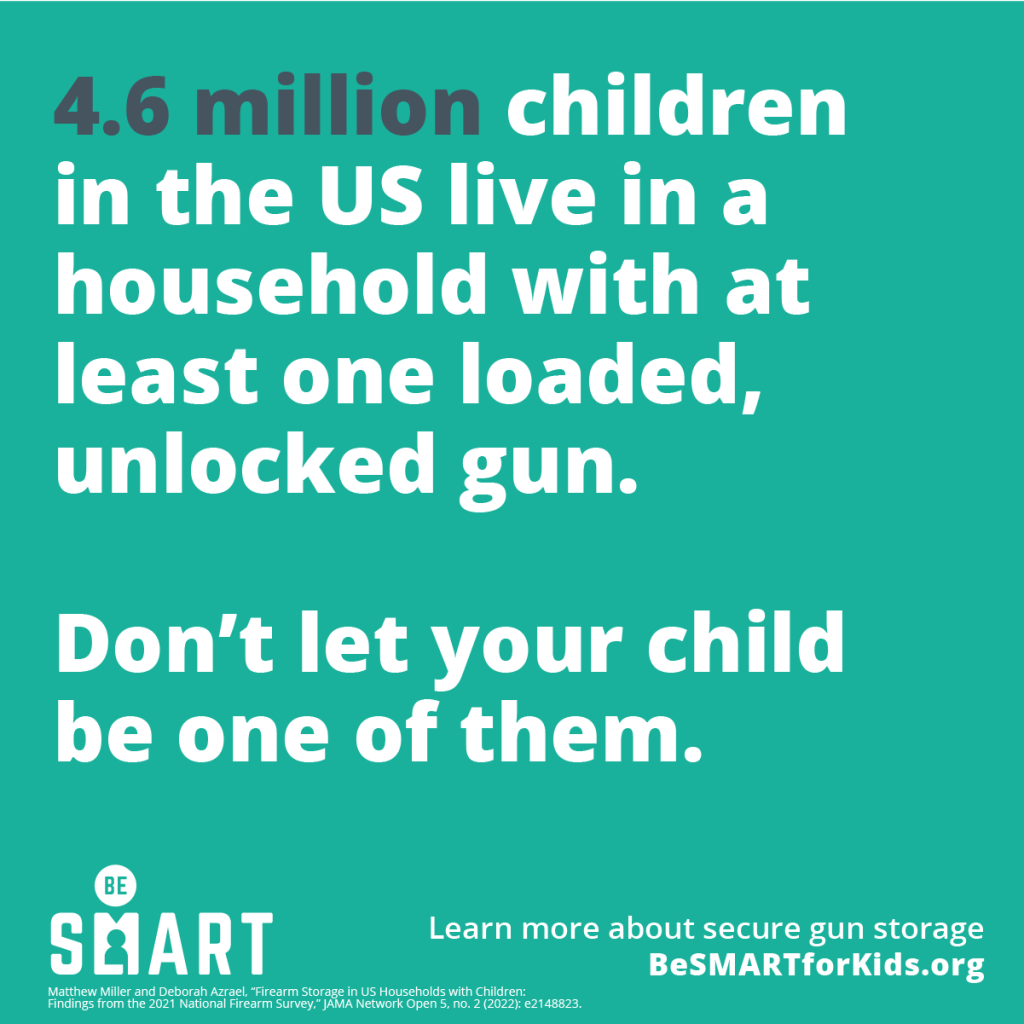
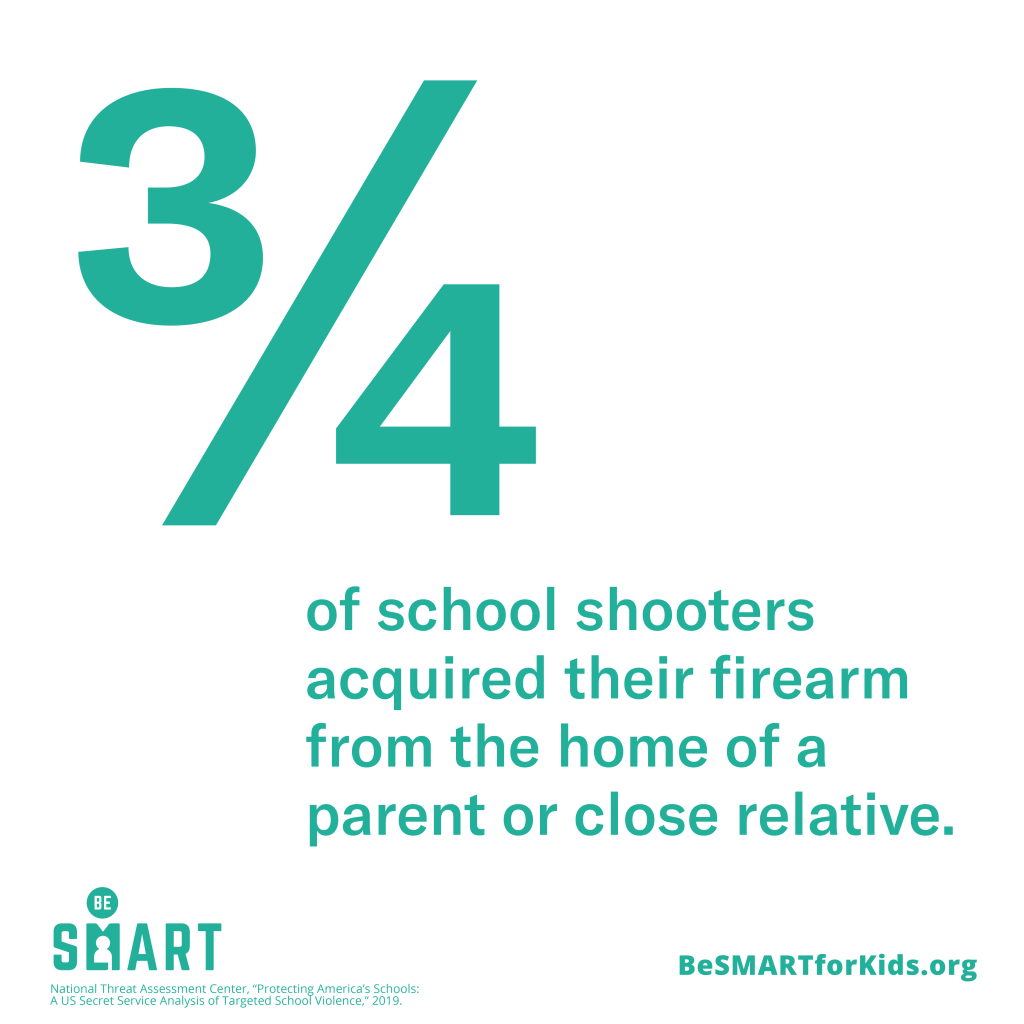
ASK FAMILY, FRIENDS, AND MEMBERS OF YOUR COMMUNITY ABOUT UNLOCKED OR LOADED GUNS IN THE HOME TO PREVENT FAMILY FIRE.
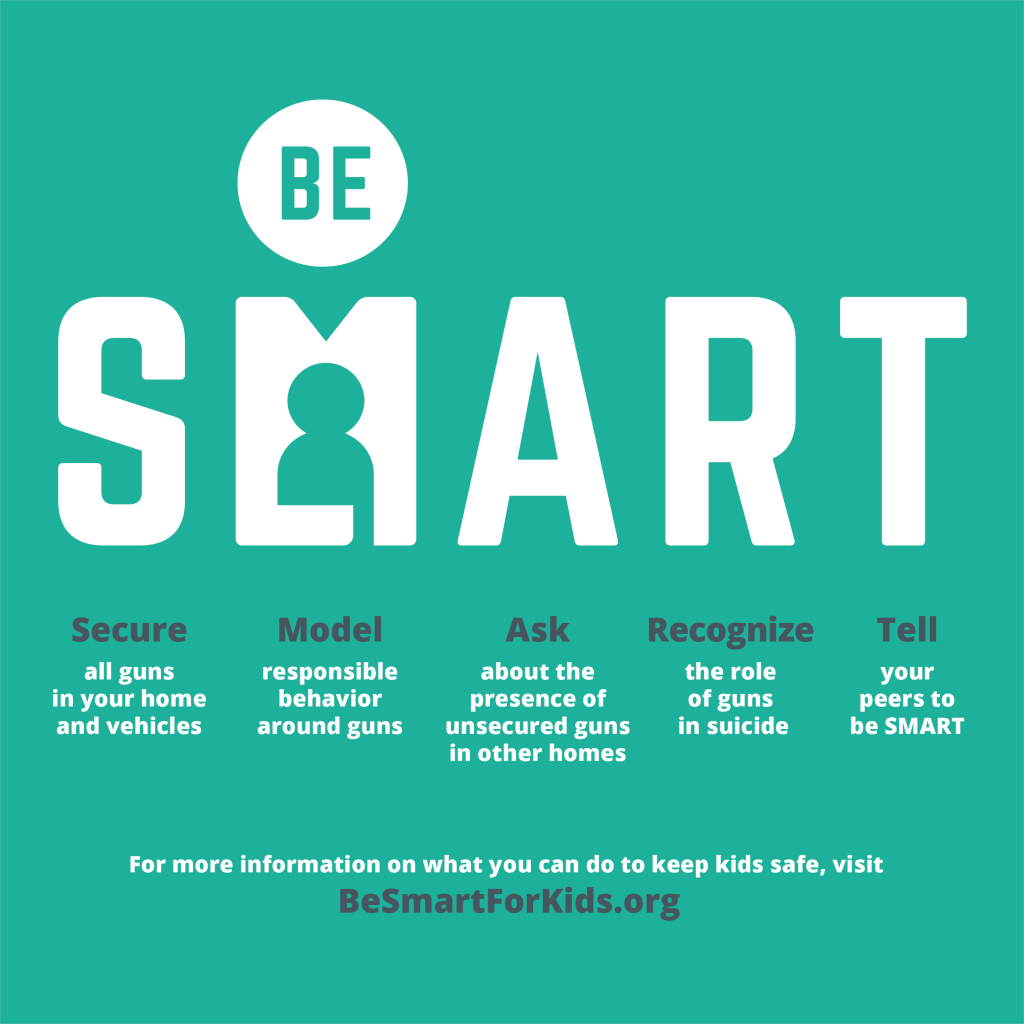
ASK (Asking Saves Kids) is a simple way to help keep kids safe and a fundamental part of our End Family Fire campaign. Parents and guardians ask all sorts of questions before they allow their children to visit other homes; they ask about pets in the house, discuss allergies and Internet access, and ask questions about supervision. As part of our End Family Fire campaign, ASK encourages parents and guardians to add one more question to this conversation: “Is there an unlocked gun where my child plays?”
The campaign is based on the effective messaging of BradyUnited.org and BeSmartForKids.org. These campaigns provide robust tools and information for addressing the threat of unsecured guns to children and family members.

Per the National Library of Medicine – an official agency of the United States Government:
Two intersecting public health crises in the U.S. threaten women’s health, safety, and equality: Intimate partner violence (IPV) and gun violence. More than half of female homicide victims are killed by a current or former male intimate partner,1 and 96% of murder-suicide victims are female.2 Firearms are used in more than 50% of these IPV-related homicides.3 Shockingly, homicide is the leading cause of death during pregnancy and postpartum.4 Intimate partner violence involves physical and sexual violence, intimidation and threats, and psychological abuse. One in three U.S. women experience physical violence, sexual violence, and/or stalking by a current or former intimate partner over the course of their lifetimes.5 Even though IPV affects women across racial and ethnic group and socioeconomic status, historically marginalized women are at greatest risk: 56.6% of multiracial women, 45.1% of Black women, 47.5% of Native women,6 and 54% of disabled women7 experience IPV in their lifetimes. In addition, IPV disproportionately affects LGBTQ+ people, whose experiences are often invisible and whose safety is often ignored by the legal and healthcare systems.8